from reality to performance and back.

Tuesday, May 12, 2009

jack schulze

http://www.kickerstudio.com/blog/2009/05/six-questions-from-kicker-jack-schulze/

Six Questions from Kicker: Jack Schulze

For the fourth installment in our Six Questions series, Kicker interviews Jack Schulze, of Schulze & Webb.

Jack Schulze

photo courtesy Timo / elasticspace.com

Jack obtained his MA in Interaction Design from the Royal College of Art in 2006, previously running an independent design studio for four years and graduating in Graphic Design from Central Saint Martins in 2000. He is interested in optical perception, especially in display, and focuses his graphics work on looking and perspective. His projects in this area explore maps and representations of urban space. Most recently Jack’s interests are in the aesthetics of mechanisms, and his work is drawn from comics, cinema, manufacture and television.


1. What is the most cherished product in your life? Why?

I have old stuff which is rare and personal, like my grandfather’s migration documents, but those aren’t products. Matt Webb recently pointed me towards Bruce Sterling’s last post on Veridian. Sterling says the only stuff worth keeping is beautiful, emotionally important, or things you use all the time. Sell everything else. I don’t really cherish products that much. They lose their mystery when you work with them every day.

I like Monster Burp most as a product in the world at the moment, and also the Peecol series of figures by Eboy. That world of art vinyl works between manufacture and graphic design. It’s very clever, very elegant. I’m drawing an enormous amount from these bodies of work right now.

There’s also one of my vintage Transformers I really like. Those toys were truly remarkable pieces of engineering and design, and amazingly manufactured too. It is hugely inspirational to imagine there was once this team of people able to conceive, design and manufacture something of that level of beauty and cultural imagination. Amazing that Hasbro have managed to shit on the franchise so badly now.


2. What’s the one product you wish you’d designed, and why?

There are products I wish I’d designed because I like them and then people would think I’d done them and like me more. This list is massive. Off the top of my head: I wish I’d directed and conceived the perfume commercial where a guy on a helicopter kisses a woman at the top of the Eiffel Tower, and a Channel commercial with Little Red Riding Hood shooshing the wolf. I’d like to have been the first to take the photomontages Hockney produced in the 60s. I wish I’d written The Filth by Grant Morrison. I wish I’d conceived and made Super Mario Galaxy. I love the table-top skirmish game called Necromunda in the Warhammer universe, although I only played it once, because the social negotiation of the rules that always happens around the game, are embedded back into the rules. I think Formula 1 television coverage is visually completely remarkable. I have no idea what is going on, but it’s so good I can watch it just for the optics. It’s like injecting Photoshop filters straight into your eyeballs.

There are also those products I wish I’d designed because that would imply I had a much higher level of technical aptitude than I do. But I’m more interested in telling you all the things that would have been better had I done them. This response is more revealing than it looks. Design (verb) is often blamed or cited as to why a product is unsatisfying. Design (noun) is where that process manifests, but it’s rarely the process which has failed. It’s almost always something else.

So most of the things I’d like to redesign would include that something else. I would have to wield the enormous corporate power within the structures from which the design and products are inseparable. I wish I could do this with anything Nokia have produced since the 3210i. I wish I could design the Flash video platform. And someone needs to redesign Adobe Creative Suite, and it may-as-well be me, it certainly can’t get much shitter. I’d really like to work somewhere like Bang & Olufsen, I really appreciate the emphasis they place on desirability.


3. What excites you about being a designer? Why do you keep doing it?

It’s a funny question, like those ones you get for university applications, ‘why do you want to study at Theslethwick College of Brilliance?’ And you always end up thinking ‘um, because it’s on my bus route,’ but you actually write ‘because you reputation is unprecedented and I’m hungry for a stimulating and diverse educational environment,’ etc.

The truth is I don’t do much design. Recently I’ve been working on graphic work around the Here & There projection. That’s design, it’s true, although it isn’t the point of the project but just the current form of the output. Also recently lots of animation and photography, and that isn’t design. Working with Matt to shape the company is not design work. The word ‘design’ as I was taught it has shifted so much that I try to ignore it now. But I have to say, I’m probably unemployable, not having been an employee for ten years and I’ve only got hippy degrees.

I keep doing it because I get excited about my company and working with my colleagues. I like it that the company is set up in a way that there is a balance between working with other companies with very specific, directed interested, and our own explorations. I love working with Matt Webb and a guy called Paul. I like it when I’ve been involved with something that other people like, and I like that the work is culturally interesting and affecting and technically weird and challenges.

I’m personally most excited when I’m involved with something I’m literate in, but technically unfamiliar, when I’m in pursuit of something culturally new or playful. When there’s a sense of discovery or itchyness about newness, that’s when I’m happiest.


4. When do you first remember thinking of yourself as a designer?

Design is a weird word isn’t it? Sometimes it means a job title, hotly contested (not by me). This used to work better when design fields were associated with vocations (book designer, furniture designer). Now it seems suspiciously vague. Design is sometimes used like a verb, like an ambiguous cluster of unfamiliar processes. People say ‘I’m doing some design,’ or ‘I’m designing something.’

I was producing designs and doing design from a very early ago. It was always a component of my drawing as a child. I didn’t start calling myself a designer until I was in my early 20s, but now I don’t find it important to define myself in that territory. It’s easier to describe my company and the projects it has done, or to talk about the people I work with.


5. What’s the most important lesson you’ve learned, and who taught it to you?

No one cares about what you think, unless you do what you think. No one cares what you do, unless you think about what you do. No one ever really cares what you say.

I learnt this lesson from Spencer Thursfield, an old tutor of mine.

Here’s another. You get the work you do. If you want to do something else start doing it.


6. What are the 5 things all designers should know?

1) Don’t use processes like User Centred Design or Usability dogmatically. Learn your trade and do it properly and you’ll be able to deliver work confidently.

2) Talking about your work does not directly improve the actual quality of your work. Ultimately design happens in the world and in your hands, and not in your mouth.

3) Once it was possible for designers to hide in their vocations and ignore the context around their work. Designers are better now because they include business, processes, media and software in the substrates they work with.

4) Some people (they are wrong) say design is about solving problems. Obviously designers do solve problems, but then so do dentists. Design is about cultural invention. There are some people who want to reduce the domain of design to listable, knowable stuff, so it’s easy to talk about. Design is a glamorous, glittering world and this means they can engage without having to actually risk themselves on the outcome of their work. This is damaging. It turns design into something terrified of invention. Design is about risk. We all fear authentic public response to our work, but we have to be brave enough to overcome.

5) Always have nice pens.

Post a Comment

Your email is never published nor shared. Required fields are marked *
*
*

Saturday, May 9, 2009

crisis meets crisis

from

Pompeii on the American Riviera

jesusita.jpg


One firefighter called the blaze a “three-headed monster”: it’s moving in three directions at once, and given the wind, its movement is unpredictable. As of yesterday, seventy-five homes were destroyed and thousands more were in danger. No deaths have been reported, though eleven firefighters have been injured. In spite of all this, Satya reports that “spirits are high. I think the whole town is just in awe of what could’ve been, if the emergency crews—all those involved, from city officials to police to firefighters—had not been as prepared and outfitted with resources as they have been.” Such preparedness is the slightly charred silver lining left behind by Santa Barbara’s last major fire, which was extinguished just six months ago.

It remains to be seen what will become of all those dismal cruise vacations, lately rerouted from Mexico through the “American Riviera” (i.e. Santa Barbara) due to swine-flu concerns. Crisis meets crisis.

Friday, May 8, 2009

the illumination of perspective

photos from jason hawke via http://www.boston.com/bigpicture/2009/04/human_landscapes_from_above.html

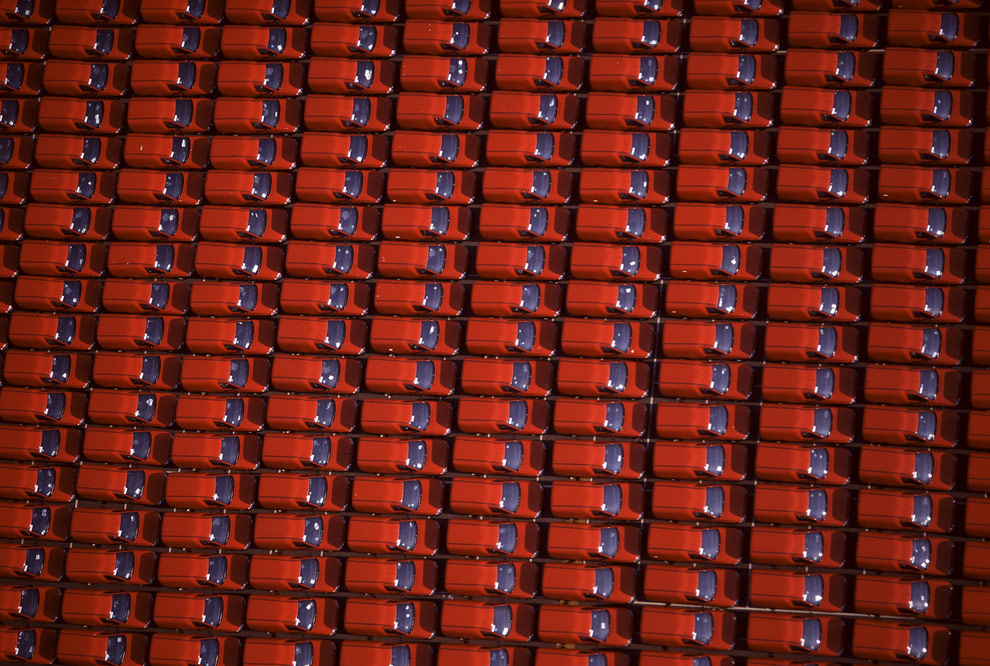
the things we use, buy

Red vans awaiting shipment, parked on disused aerodrome at Upper Heyford Oxfordshire, UK. [google map] (© Jason Hawkes)

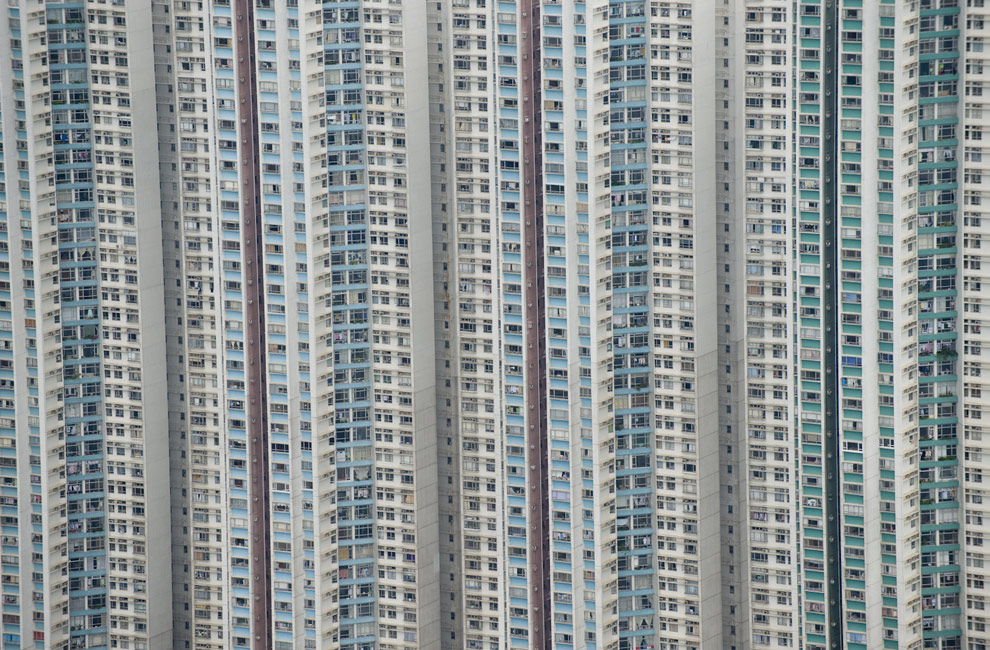
where we sleep, eat, live

Apartment blocks, Hong Kong mainland. China. (© Jason Hawkes) #

how we grow

Lines of crops growing near the Village of Prickwillow in Cambridgeshire. [google map] (© Jason Hawkes) #

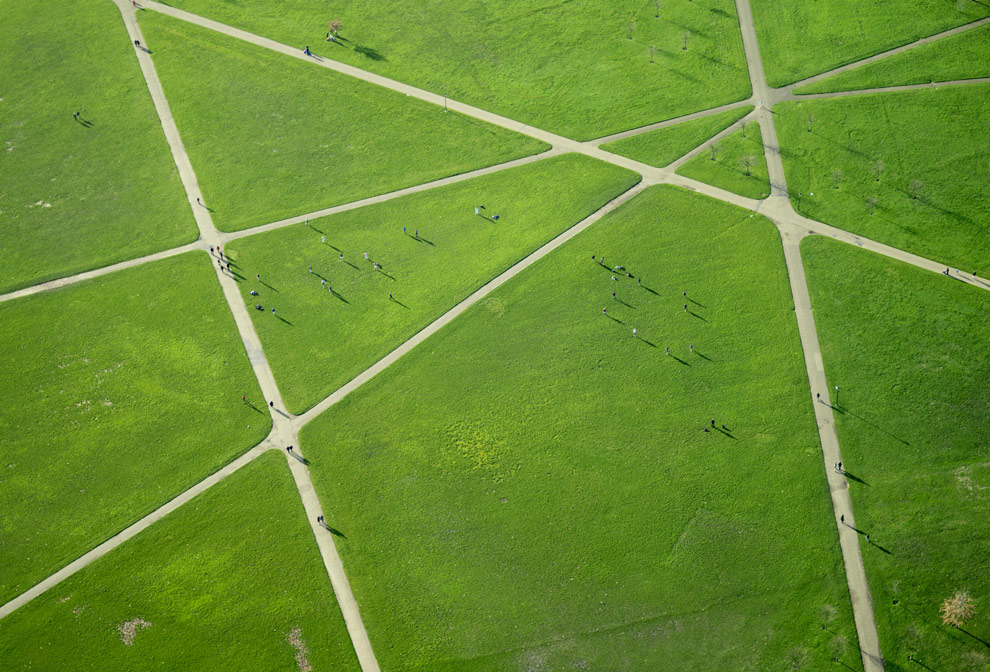
how we enjoy nature

Footpaths criss-crossing Hyde Park in London, UK. [google map] (© Jason Hawkes) #

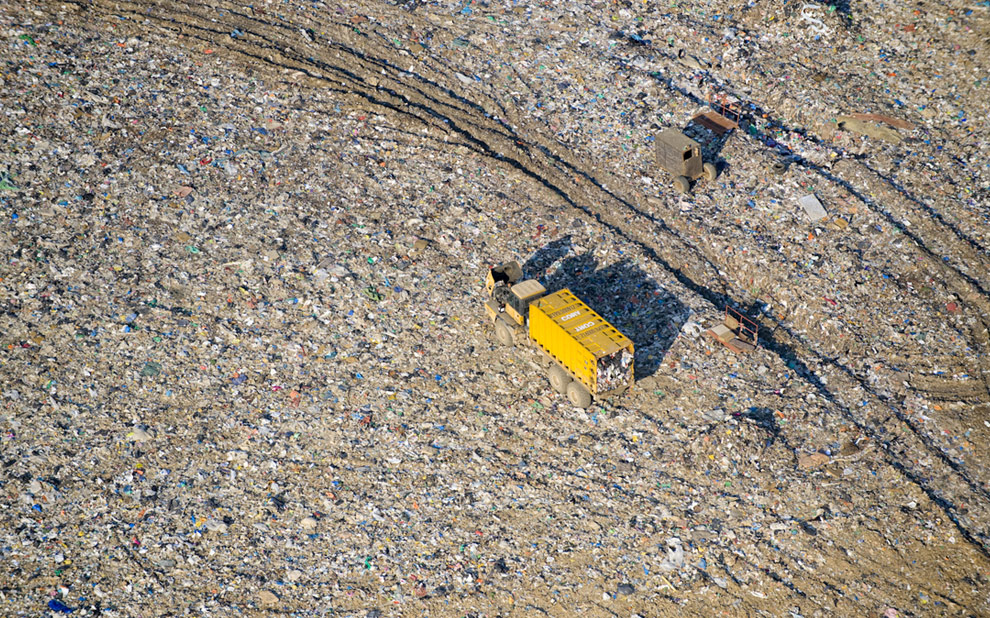
how we destroy nature

Mucking Marshes Landfill, a major landfill site servicing London. [google map] (© Jason Hawkes) #

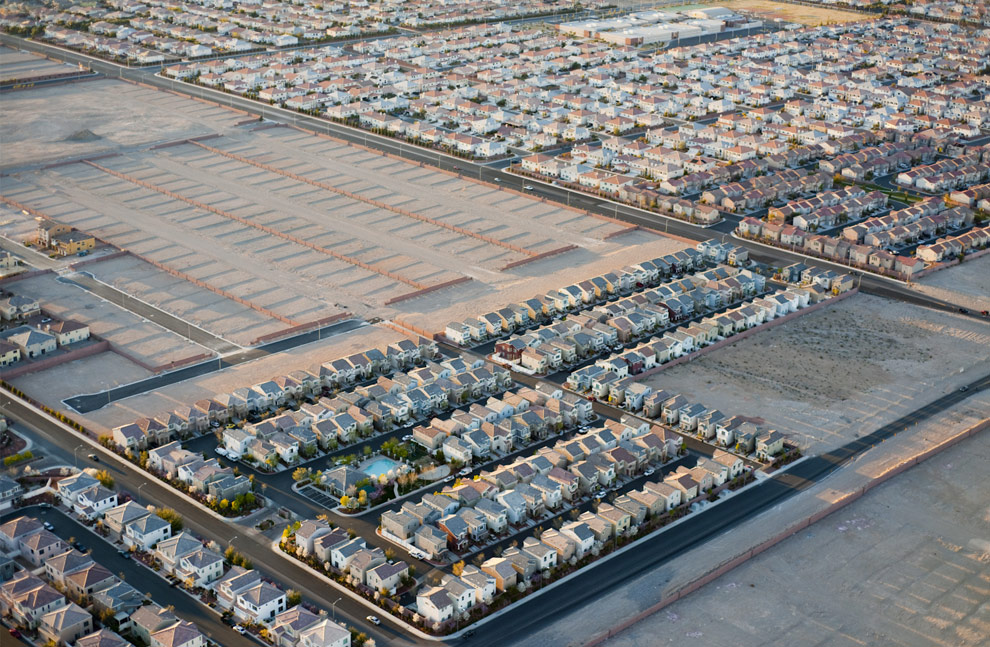
how we sleep, eat, live (the american dream)

Newly built housing and new housing plots on edge of Las Vegas, Nevada, USA. [google map] (© Jason Hawkes) #


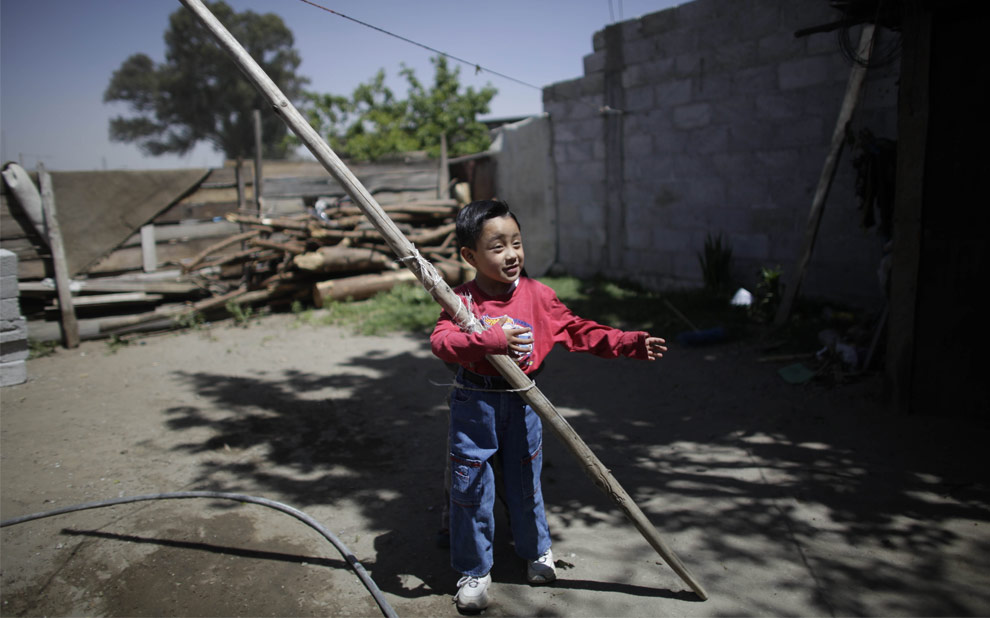
bio terrorist survivor


In this April 28, 2009 photo, Edgar Hernandez, 4, who according to Mexico's Veracruz state authorities survived the swine flu, plays in his garden in La Gloria, Mexico. Hundreds of his neighbors in La Gloria - villagers who live among pig-breeding farms - were suffering from flu-like symptoms, as well. (AP Photo/Alexandre Meneghini) #

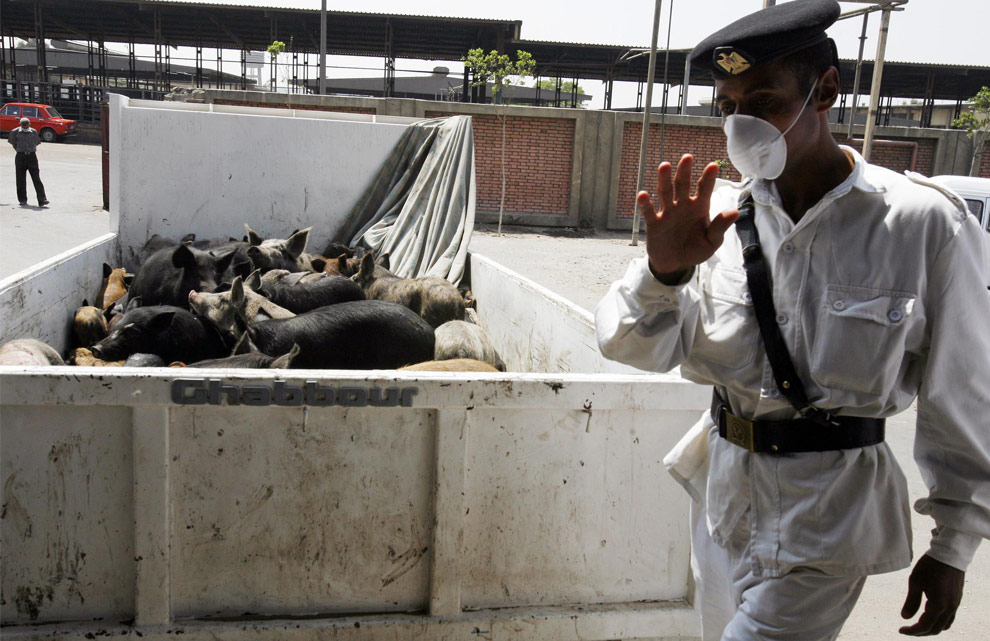
gaurding the bio terrorists


An Egyptian policeman wears a mask as he stands guard in front of a pick up truck full of pigs at the main slaughterhouse in Cairo April 30, 2009. Egypt, hit hard by bird flu, has ordered the slaughter of every pig herd in the country as a precaution against swine flu, a step the United Nations said was a mistake. (REUTERS/Asmaa Waguih) #

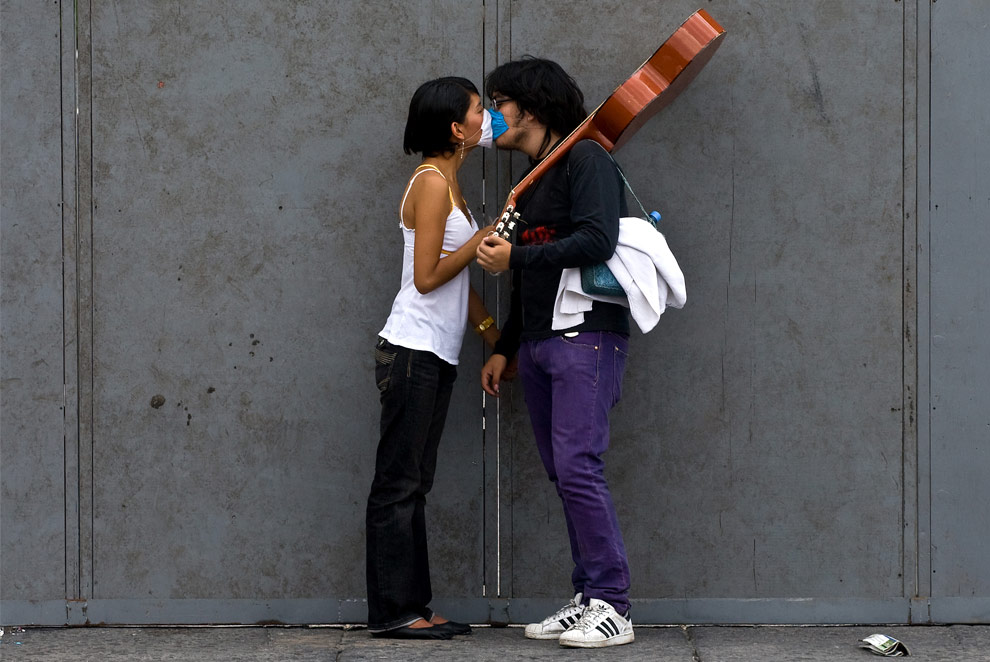
tomorrow's future is today's present


A couple wearing surgical masks to avoid influenza A (H1N1) (swine flu virus), kisses at Mexico City's Zocalo square, on April 30, 2009. (LUIS ACOSTA/AFP/Getty Images) #

touching @ mit


sos_comp_4551

The “SOS - Stress outsourced” project taps into the idea of combining crowd sourcing concepts and social networking with physical stimulation. In this case, a jacket equipped with a set of actuators emits massage strokes, when people send a signal via some social network. Buttons that allow to call for a massage or send a stroke to others are also embedded into the jacket. What charmed me most about this project is that it claims to be built on the old Korean saying of “ten spoons of rice make a meal”. So ten (otherwise really useless) “pokes” in Facebook can make a nice massage!

http://project-sos.mit.edu/index.html

from http://www.susannahertrich.com/notes/


research rant

towards a research that engages the public (participatory research or whatever you want to call it) and somehow can make sense of the irrational. if the goal of the research is a solution (a better service, a better product, a better way for a company/government/institution to engage with the people it serves, then surely the research process must truly include suggestions coming from the subject (which is so hard when you only ask them questions, they are only responding and not really creating, brainstorming). asking people to prototype, to play with whatever thing is supposed to be "beyond them" (be it new technologies of medical care or whatever) within their own understandings and how they will use it and how it will make sense in their lives, that is a true engagement. just give them the tools and see what they do, instead of endlessly questioning them on what you've built.

and the research presentation must in some way be able to capture not only their ideas but also the context of their ideas, experiences, etc and also just a wee bit of the irrational that is so crucial to their experiences etc. if our points to the problems of when irrationality exited the picture, how come research papers make usually no room for irrationality? how to present irrationality in a way that better portrays what happened and what is felt? writing can be hard, although Turkle's Inner History of Devices is going there by combining memoir, psychologist and ethnographer all as equals in a bit to understand what is going on with people and their machines. animation is one solution.

so this is all with technology but it doesnt have to be. instead of asking 4-year olds to make their own fly-eating robots in order to arrive at some kind of thought process about how cruel do we build our machines, well how do you involve disabled people to actually participate in the thinking about what services they get? beyond their parents answering questionnaires. as new policy is developed how do you use the research you do to inform some kind of activity public engagement sessions that encourage the people for whom these services are being developed to take part at a rather initial stage in thinking throught the ethical/emotional/but also practical issues of whatever treatment, service, etc is being developed, in the end for them? dunno to me this idea of engaging people in the developement of technology that will effect them by asking them to develop their own things and then learning from that can be applied in so so so many ways and animation as presentation also in so so many ways....to explore their dreams thoughts blah blah that can be floating behind them but that is just as important as what is 'real' and visible....

some inspirations from http://www.we-make-money-not-art.com/archives/2008/11/if-there-are-images-in.php

I was a student of Durrell Bishop, Tony Dunne, Bill Gaver, Fiona Raby, and other fine tutors at what's now the Design Interactions course at the Royal College of Art. In this context, my practice emerged through an interrogation of design methods and aims. Material Beliefs is an attempt to make design's association with science and technology more embedded. It takes influence from Doubleday's - and previously Bruno Latour's and Steve Woolgars - encampment in labs. The difference is that the role of that occupation is more than analytical, it attempts to synthesise outcomes - what happens when speculative attitudes to science and technology get located at the site of laboratory research? Well not much sometimes, but other times it works out and you get a fascinating and messy shared practice. Designers and Scientists/Engineers also have to work harder to understand each others roles and offer respect and support - it's difficult and rewarding.

0aaflyeatij.jpg
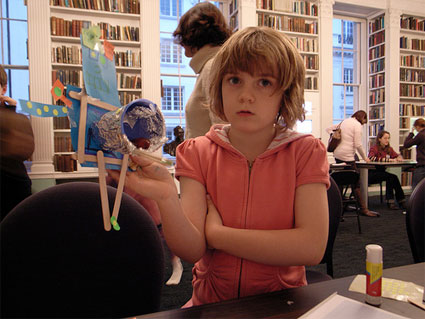
Building fly-eating robots at the Royal Institution of Great Britain

The other aspect is that these collaborations take place in public as much as possible. Taking inspiration from Miodownik, Laughlin and Conreen, it's about doing the work in front of and with audiences. These are not only the audiences you might find at art or design exhibitions. Sometimes the model of public engagement is not top-down, but about getting people into labs and enabling them to do new stuff - making enquiries, building their own prototypes, asking researchers about the ethics of technology, finding out how funding is awarded.

Here design becomes a tool for translating academic knowledge into resources for independent enquiry, and a way of enabling others to access technology. This can be tricky as you have to sneak people into labs, under the radar of public relations departments who might not see the value of access for groups that wont promote the research in a straightforward way. This is not a criticism, it just that some institutions are not yet set up for challenging forms of public engagement. This situation I think is aggravated by an institutional anxiety about campaigning groups, but that is another story.

Finally, when I first Googled "Material Beliefs" it was all about religious practices, and it seemed appropriate, seeing as we were going to be doing so much preaching.

0aaneruroscopepr.jpg
Neuroscope Prototype © Elio Caccavale 2008

Material Beliefs looks like a unique structure. I suspect that many artists and designers would dream of engaging with emerging biomedical and cybernetic technology in close cooperation with engineers and social scientists. Which kind of advice would you give to artists or designers who might want to set up a design lab like yours? How did you manage to get the ear (and funding) of the Engineering and Physical Sciences Research Council in England?

It's a good time to extend design practices that ask questions about our relationship with technology and science. In the UK at least, there is an ongoing discussion about how public engagement of science should be done. This is a discussion at a policy level, about democratising access to the research that will have its outcomes in the products and services we use. So while public engagement of science used to be about persuading the public that science produced a benefit, or where it was a strategy for encouraging a new generation of scientists, engineers and mathematicians to keep the nation competitive, it is now also about looking for new ways to involve different groups of people in science. These discussions then filter down into decisions about how funding is awarded. I think Material Beliefs probably benefited from new attitudes about what public engagement of science is allowed to be.

We set out to say that design lets non-specialists respond to science in creative ways, to make their own things out of their curiosities with bioengineering, and to have an active role within the production of research, or at least to play a role in the discussion of what unfinished research might come to mean. Rather than be told that this or that technology is not really risky, or at best being invited into a conversation that decides if a technology is risky, publics can actually have some kind of active role in how technology encountered. That's what design can do, it encourages an active orientation towards materials and processes, it provides a reason to try to do something, rather than sit back passively, then point your finger out of anxiety, for example over the potential effects of biotechnological products and services that suddenly appear on the market - "Where did that come from? Frankenfoods messing up my body, I am even angrier now!". The fact is that science is complex, it is enacted through a relationship between peers and rivals, institutions, markets, funders, politicians, ethics committees. Rather than ignore that, or treat science as monolithic entity, why not try to situate a practice productively somewhere amongst this fascinating network? Material Beliefs is only starting to think about this extended role for design, others have been doing it for some time, and I'm thinking of Natalie Jeremijenko's practice, Symbiotica's lab in Perth, and the thinking that has informed the Design Interactions course.

0aagrouproundhosue.jpg
Group from the Roundhouse interviewing researchers about cyborgs

More generally, how do scientists react to your interests and works? Are they immediately ready to cooperate? Do you have to painfully win them over? How easy is the dialogue with people who seem to have a radically different background?

One thing learnt from this project is to take the invitations very wide initially, and to rapidly make sense of who might want to collaborate. Material Beliefs is lead by the designers, James Auger, Elio Caccavale, Jimmy Loizeau, Susana Soares and myself, and I must say that all of us broke our backs pursuing eminent, exciting but ultimately uninterested scientists and engineers. If people want to do stuff, then run with them. The hardest aspect was articulating our approach, and making it clear what was expected and what we would be doing. Academics are busy, whatever their discipline, and there are not many academics you could expect to spend time doing activities that are outside of there specialism. That is asking a lot.

Luckily, there is some pressure on science and engineering to do public engagement. Being able to show you have done this helps with funding. This was something we could appeal to. I don't think this is being tricksy, it's just a matter of finding a recognisable space in which to hold the stuff you want to do, that makes sense for everyone, even if it is for slightly different reasons. You all need to take risks, the designer needs to be elastic with their focus as a practitioner, and the engineer scientists need to take into account alternative descriptions of their research objects. It's not easy to make sense of a question about the ethics of a technology that you have been developing intensively for two years.

We are, or I hope were, quite naive in the way we approached science, which of course has a different culture to design. I have a particularly painful memory of filming an interview with a researcher, and not making it clear that the interview was to be put online. He was very angry when | sent him a link for approval, particularly as the first clip was me setting up and dropping the camera, and kind of laughing awkwardly. I thought the clip was charming. He thought I was taking the piss, and sent some quite angry emails. Have a look at some of the interviews that did get approved. This was a way for us to read around the research, to get it from the researchers mouths. Their descriptions are imbued with their excitement, and taken down a notch so we can understand. Perfect. Imaging having to orientate your practice to biotechnology through academic papers, or newspapers - the extremes of possible discourses - that leave you respectively bewildered or sour.

0aacarnivolabor.jpg

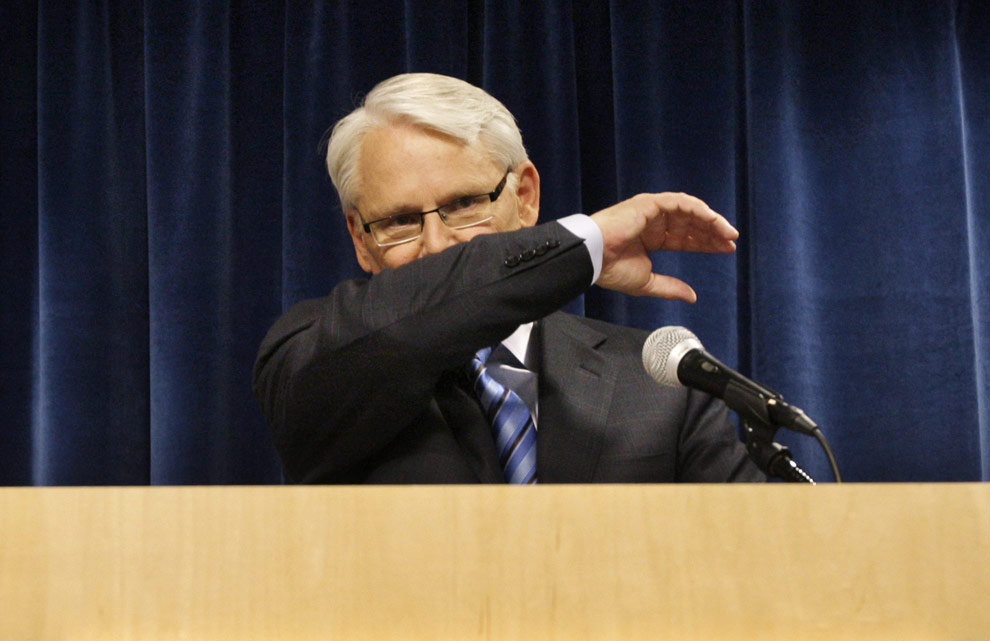
how to cough


British Columbia Premier Gordon Campbell demonstrates how to cover your face while coughing, during a news conference at the BC Centre for Disease Control in Vancouver, British Columbia May 1, 2009. Several more cases of influenza A (H1N1), formerly referred to as swine flu, were confirmed in the province. (REUTERS/Lyle Stafford) #

http://www.boston.com/bigpicture/2009/05/2009_swine_flu_outbreak.html

Followers